The global offshore energy sector is undergoing a massive transformation. As oil and gas exploration pushes into deeper waters and aging subsea infrastructure requires complex maintenance, the demand for offshore oil underwater construction has reached an all-time high. While Remotely Operated Vehicles (ROVs) handle many tasks, the precision, adaptability, and problem-solving capabilities of a human diver remain irreplaceable for intricate engineering tasks. For commercial diving engineering salvage and construction firms, the quality of the diving apparatus is not just a line item—it is the foundation of project viability. In this article, we examine the essential equipment required for modern subsea engineering and how leading diving gear manufacturers are evolving to meet these extreme demands.
Working in an offshore environment presents a set of challenges that recreational or even standard municipal diving cannot match:
Extreme Depths: Divers often operate at depths where decompression management is a matter of life and death.
Environmental Turbulence: Strong currents, low temperatures, and zero visibility require equipment that is both rugged and highly sensitive.
Logistical Complexity: Projects are often hundreds of miles offshore, meaning diving equipment services and spare parts must be integrated into the initial mobilization.
To overcome these hurdles, specialized diving equipment suppliers must provide integrated systems that prioritize “Active Safety”—gear that prevents accidents before they happen.
Success in underwater construction requires a specialized suite of tools designed for heavy-duty industrial use.
In offshore operations, the surface supervisor is the “brain” of the dive. A high-precision air/gas management panel is critical. These panels must allow for the seamless switching between primary, secondary, and emergency gas supplies. Leading diving equipment manufacturers now integrate digital depth monitoring and high-fidelity audio recording into these panels to ensure a complete data log for every dive.
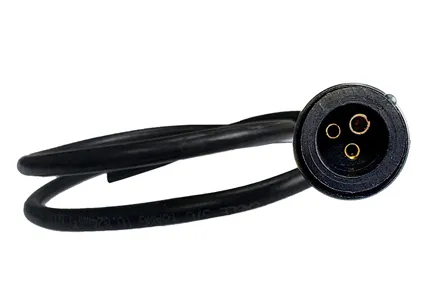
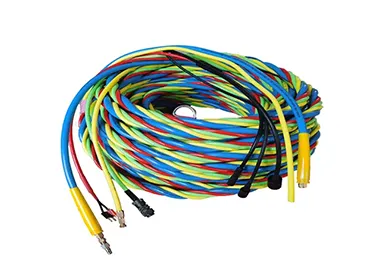
The umbilical is the lifeline of the subsea engineer. For offshore oil projects, a standard hose is insufficient. These operations require “Quad-Hoses” or “Pent-Hoses” that include:
Main gas supply.
Pneumo-depth gauge line.
Hot water supply (to prevent hypothermia in deep-sea environments).
Video and high-speed communication cables.
For offshore construction, a Twin-Lock Decompression Chamber is mandatory. These units allow divers to decompress safely on deck, freeing up the diving team for faster rotations. Modern chambers must be compliant with ASME-PVHO or equivalent international standards to ensure the structural integrity of the pressure vessel.
Salvage operations—the recovery of sunken vessels or the removal of offshore platforms—require gear that can take a beating. Divers often work inside twisted metal, where the risk of umbilical snagging or helmet impact is high. This is where the choice of diving gear suppliers becomes critical. Equipment used in salvage must be:
Impact Resistant: Helmets made from reinforced carbon fiber or heavy-duty fiberglass, with many contractors evaluating commercial diving helmets for sale based on strength, comfort, and long-term serviceability.
Modular: Easily repairable in the field with standard tools.
Versatile: Compatible with underwater welding and cutting equipment (such as exothermic lances).
For many decades, the subsea construction industry was limited to a few high-priced Western brands. Today, the rise of specialized diving equipment China manufacturers has changed the landscape. By working with an engineering-focused manufacturer like SEAM, offshore firms can achieve:
Technical Customization: Tailoring equipment specs (e.g., custom-built diving bells or specialized gas racks) to specific project requirements.
Shorter Lead Times: In the oil and gas industry, a delay of one week can cost hundreds of thousands of dollars. Efficient manufacturing and global logistics are essential.
Comprehensive Diving Equipment Services: Access to technical training and maintenance kits that ensure the longevity of the investment.
The next frontier for diving gear manufacturers is the “Connected Diver.” This involves integrating Heads-Up Displays (HUDs) into diving helmets, allowing divers to see blueprints, sonar data, or real-time gas stats directly on their lens. This level of technology is becoming a requirement for the most complex offshore oil underwater construction projects, where efficiency and data-driven safety are the top priorities.
In the subsea world, “good enough” is never enough. Whether you are managing a naval and marine diving team or a private commercial diving engineering salvage operation, your equipment is the only thing standing between a successful project and a catastrophic failure.
At SEAM, we specialize in the engineering and supply of professional-grade diving systems that meet the world’s most stringent standards as leading commercial diving equipment manufacturers. From the municipal pipe network to the deepest offshore oil fields, our equipment is built to perform where others fail.