Yantai Haiyun Diving Equipment Co., Ltd
Email Us

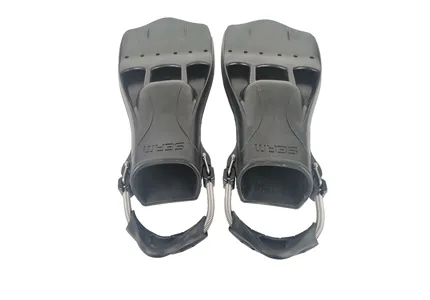
Premium Diving Scuba Equipment for Sale

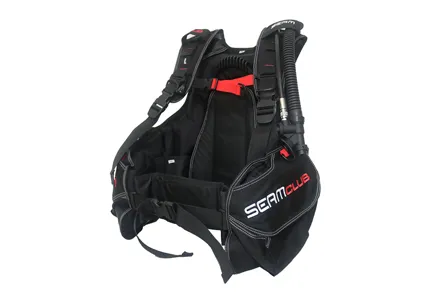
SEAM’s high-performance diving scuba equipment is engineered for reliability, comfort, and safety. Our scuba equipment for sale includes advanced regulators, BCDs, and dive computers designed for precise breathing and smooth control underwater. As one of the trusted scuba equipment manufacturers, SEAM delivers durable, professional-grade gear built for demanding environments. We also offer wholesale scuba equipment for dive shops and commercial operations seeking proven quality. Choose SEAM for dependable equipment that enhances every dive.

Contact Us

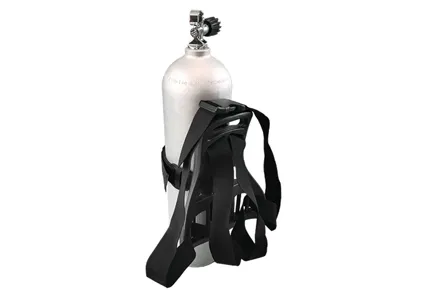
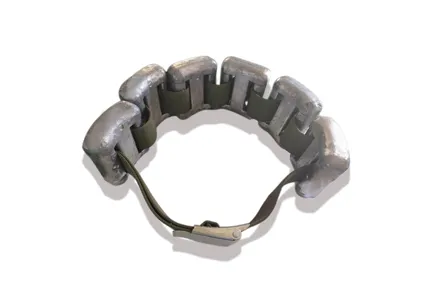
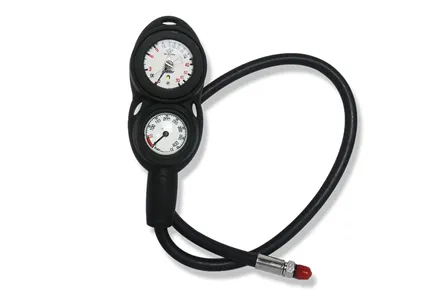
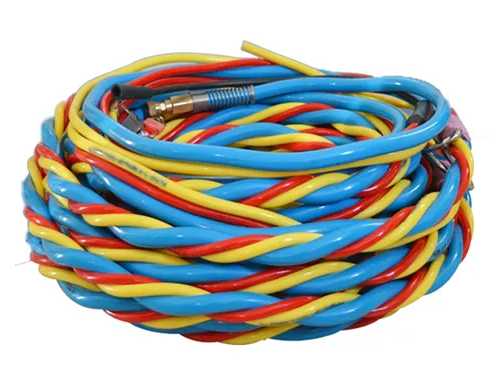
Types of Scuba Diving Gear & Equipment

We Provide quality Scuba Diving Equipments with reasonable price.
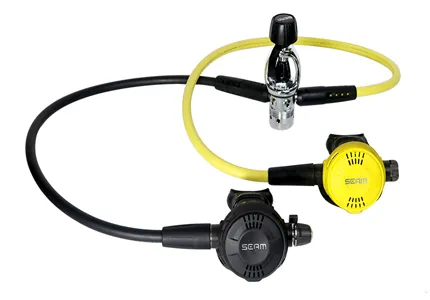
Why Choose Scuba Diving Gear & Equipment from SEAM


  • Durable Materials: Constructed from high-grade, corrosion-resistant materials for long-term reliability in harsh saltwater environments.

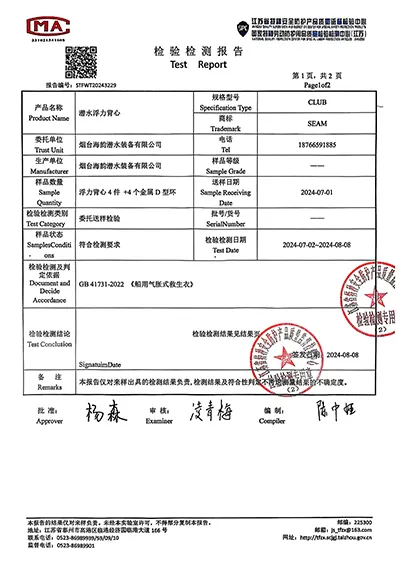
  • Rigorous Testing: Every scuba equipment for sale undergoes extreme pressure and performance testing to exceed international safety standards.

  • Redundant Systems: Key components like regulators feature safety mechanisms that provide backup air flow and prevent free-flows.

  • Ergonomic Design: Intuitive controls and comfortable fit reduce diver fatigue and stress, minimizing operator error.

  • Trusted Performance: Engineered for predictable and consistent operation, ensuring diver confidence and security on every dive.

Maintenance & Care for SEAM Scuba Diving Gear

Your SEAM diving equipment is your trusted companion for exploring the ocean. Proper maintenance not only extends the life of your gear but is also essential for ensuring your safety underwater. Salt, sand, chlorine, and UV rays can cause irreversible damage over time. Follow these four core care steps to keep your equipment in optimal condition.


Salt crystals left behind by evaporated seawater can corrode metal parts and cause rubber seals to harden and crack.


Soak and Rinse: As soon as possible after diving, soak your gear (regulator, BCD, wetsuit, mask) in fresh water for 15-20 minutes, then rinse thoroughly with running water. Pay special attention to: The regulator first and second stages, the BCD's inflator/deflator mechanism, and all zippers.


Regulator Care: While connected to a cylinder with some remaining pressure (do not press the purge button if not connected), gently depress the purge button to flush fresh water through the internal valve seat, removing any salt or debris that may have entered.


BCD Internal Flush: Pour about 1 liter of fresh water into the BCD bladder via the inflator hose. Inflate the BCD slightly and shake it to swish the water around, then turn it upside down to drain completely. This prevents mold and odors from developing inside.


Step 1: Rinse Immediately After Every Dive——Combat Salt and Sand

Damp, stuffy environments breed mold, while strong UV rays accelerate material degradation.


Air Dry in Shade: Hang all equipment to dry naturally in a well-ventilated area, away from direct sunlight. Never expose gear to direct sun! UV rays damage neoprene (wetsuits) and silicone (masks).


Hanging vs. Storing Flat:

Wetsuit: Hang on a wide, padded hanger to avoid creases that can weaken the neoprene.

BCD: Hang with a little air inside to keep the bladder dry and prevent internal sticking.

Regulator: Store without sharp bends in the hoses; hang them in a natural loop.

Storage Environment: Choose a cool, dry, dark place. Avoid leaving gear in a hot car trunk for extended periods.


Step 2: Dry Thoroughly and Store Properly——Prevent Moisture and UV Damage

Even if gear looks fine externally, internal components can wear out or degrade over time, creating hidden risks.


Annual Service (Highly Recommended): Your regulator is your "underwater lifeline." We strongly recommend an annual full service by an authorized SEAM technician. This includes disassembly, cleaning, replacement of wear items (like O-rings), lubrication, and breathing performance testing.


Cylinder Inspection: Comply with local regulations for periodic visual inspections and pressure testing (hydrostatic testing) of your dive cylinders.


Dive Computer Batteries: Monitor battery levels. Battery failure under pressure can lead to data loss. Replace batteries according to the manual or have them changed by a service center.


Step 3: Schedule Regular Professional Servicing——Prevention is Better than Cure

Mask Defogging: New masks have a protective film. Gently scrub the inside of the lenses with mild toothpaste (avoid touching the silicone skirt with fingers) to activate anti-fog properties. Use commercial defog solution before dives.


Zipper Care: Regularly lubricate waterproof zippers on wetsuits and drysuits with paraffin wax or specialized zipper lube to prevent sticking and leaking.


Quick-Release Buckles: After rinsing, check for sand trapped in buckles to ensure they click securely.


Step 4: Handle with Care and Inspect Regularly——Extend Component Life

How to Choose the Right Scuba Diving Equipment from SEAM?

How to Choose the Right Scuba Diving Equipment from SEAM?——Make Every Dive Safe, Comfortable, and Enjoyable

For scuba diving enthusiasts, equipment is more than just a tool for exploring the underwater world—it is your guarantee of safety and comfort beneath the surface. Whether you are a newly certified Open Water diver or an experienced Divemaster, SEAM can help you find the perfect gear. Here are four key steps to guide your decision:


Step 1: Determine Your Investment Based on Diving Frequency

Occasional Divers (1-5 dives/year): Consider renting or purchasing basic personal gear like masks, snorkels, and dive computers. These items are hygienic and offer great value.

Regular Divers (5+ dives/year): It's time to invest in your own regulator, BCD, and exposure suit. SEAM's entry-level packages deliver stable underwater performance with uncompromised safety.

Dive Professionals (Instructors/Divemasters): You need equipment built for durability and redundancy. SEAM's professional series utilizes industrial-grade materials to withstand the rigors of frequent use and teaching environments.


Step 2: Prioritize Fit and Comfort——A Critical Safety Factor

ill-fitting gear can turn a dream dive into a miserable experience, regardless of specs.

Mask: This is your "window" underwater. When gently inhaled, the mask should stay on your face without using the strap. SEAM offers masks designed for various face shapes, ensuring a proper seal and clear vision.

BCD: When inflated, check the fit of shoulder straps and waist belt. It should not be too tight to restrict breathing, nor too loose to cause shifting. SEAM's BCDs feature ergonomic backplates that distribute tank weight evenly, reducing lower back strain.

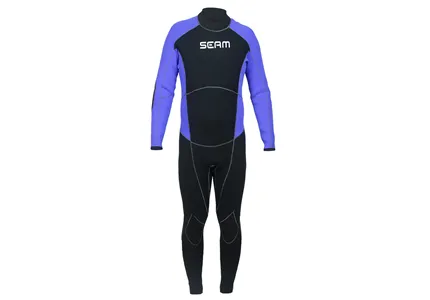
Wetsuit/Drysuit: It should fit snugly without constricting movement. SEAM exposure suits use high-stretch nylon fabrics that provide thermal protection while maintaining flexibility.


Step 3: Understand the Performance and Maintenance Needs of Core Components

Regulator: This is your "underwater engine." SEAM regulators feature multi-stage design, ensuring smooth and effortless airflow at varying depths and tank pressures. Crucially, they must be easy to maintain—all SEAM regulators can be serviced by authorized technicians with guaranteed long-term spare parts availability.

Dive Computer: This is your "underwater navigator." SEAM dive computers offer clear displays, multi-gas support, and decompression calculations based on mainstream algorithms, keeping you informed of depth, time, and no-deco limits in real-time.


Step 4: Choose a Brand with Reliable Support and Service

Scuba diving is equipment-dependent; the professionalism of the brand and its after-sales support are vital.

SEAM's Commitment: Beyond our warranty (including free repair parts for quality issues), we provide peace of mind through a global network of authorized service centers. Whether you need an annual regulator service or a replacement BCD part, we ensure quick responses wherever your diving takes you.

Compatibility & Upgrades: SEAM equipment is designed with cross-brand compatibility in mind. You can combine a SEAM second stage with another brand's first stage, allowing for flexible, gradual equipment upgrades.


FAQs about SEAM Diving Scuba Equipment

  • Q
    Is SEAM equipment suitable for beginners? How do I choose my first set?
    A

    Absolutely. The SEAM Explorer Series is specifically designed for beginners, prioritizing ease of use and comfort without compromising safety. The regulators deliver smooth, natural airflow, and the BCDs offer intuitive buoyancy control. We recommend beginners start with personal gear like masks, snorkels, and dive computers—items that are hygienic and suitable for long-term use. Once you decide to make diving a long-term hobby, gradually invest in a regulator and BCD. Contact a SEAM Experience Center, where our professional consultants will provide personalized advice based on your diving frequency and budget.

  • Q
    What advantages do SEAM regulators have over other brands?
    A

    The core advantages of SEAM regulators lie in their balanced design and serviceability. We employ a multi-stage system that ensures smooth, consistent airflow regardless of tank pressure or depth changes. Additionally, SEAM regulators feature a simplified internal structure, making them easy to disassemble and service.

  • Q
    How can I tell if my SEAM mask fits properly?
    A

    A properly fitting mask should meet three criteria: 1. Seal: It stays on your face when gently inhaling, without using the strap; 2. Comfort: The skirt sits softly against your face without pressure on your eye sockets; 3. Vision: The nose pocket seals well, allowing easy equalization. SEAM masks feature medical-grade silicone skirts and multiple size options to fit different face shapes. For new masks, gently scrub the inside of the lenses with toothpaste before first use to remove the molding release agent and prevent fogging.

  • Q
    How long does the battery last in SEAM dive computers? How do I change it?
    A

    SEAM dive computer battery life typically lasts 1-2 years, depending on usage frequency and backlight settings. We recommend annual battery replacement and seal testing by an authorized service center to ensure waterproof integrity. Please heed low-battery warnings—never dive with insufficient battery power.

  • Q
    What sizes do SEAM BCDs come in? How do I choose the right size?
    A

    SEAM BCDs are available in sizes from XS to 3XL, with men's and women's specific designs. Measure your chest circumference (while wearing your exposure suit) and height when selecting. A well-fitted BCD should: have shoulder straps that don't constrict the neck when inflated, a waist that sits on your hips, and tank weight distributed evenly on your hips rather than shoulders. Visit our website for detailed size charts and video fitting guides.

  • Q
    How should I properly clean and store my SEAM wetsuit after diving?
    A

    After each dive:
    1. Soak: Submerge the wetsuit in fresh water for 15 minutes to dilute salt;
    2. Rinse: Turn it inside out and rinse thoroughly with fresh water, paying special attention to zippers;
    3. Dry: Hang on a wide padded hanger in a shaded, ventilated area—never in direct sunlight;
    4. Store: Once completely dry, fold or hang it away from heavy objects that could crease and damage the neoprene. Never leave a damp wetsuit stuffed in a bag, as this causes odors and mildew.

  • Q
    What does the SEAM warranty cover?
    A

    SEAM offers a 1-2 year warranty (depending on product category) against material and workmanship defects on all new equipment. During the warranty period, we will repair or replace items with issues such as internal first stage damage, BCD bladder leaks (non-puncture), or dive computer water ingress (non-user-induced). The warranty excludes: normal wear (mouthpieces, straps), consumables (O-rings), damage from misuse (such as failure to rinse), or damage caused by unauthorized disassembly.

  • Q
    How thermally protective are SEAM wetsuits? Are they suitable for cold water?
    A

    SEAM exposure suits are available in three thermal grades: 1. Tropical (3mm) : For water temperatures above 26°C (79°F); 2. Temperate (5mm) : For 20-26°C (68-79°F); 3. Cold Water (7mm/Drysuits) : For below 20°C (68°F). Our 7mm wetsuits feature high-stretch neoprene and titanium-lined interiors for effective heat retention. For freezing conditions, we recommend the SEAM drysuit series, which can be layered with thermal undergarments to keep you warm and dry in extreme cold.

  • Q
    Can I use a SEAM second stage with my existing first stage from another brand?
    A

    Physically, yes—but with caution. SEAM second stages use industry-standard low-pressure hose fittings and can connect to most major brand first stages. However, different brands tune breathing resistance differently, and mixing may cause inconsistent airflow or free-flow. We recommend this only as a temporary backup in emergencies, or consult SEAM technicians to verify compatibility. For optimal breathing performance and safety, we recommend a complete SEAM regulator system, ensuring every breath is precisely calibrated.
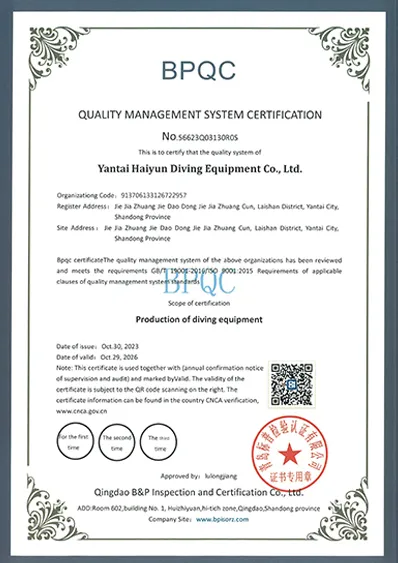
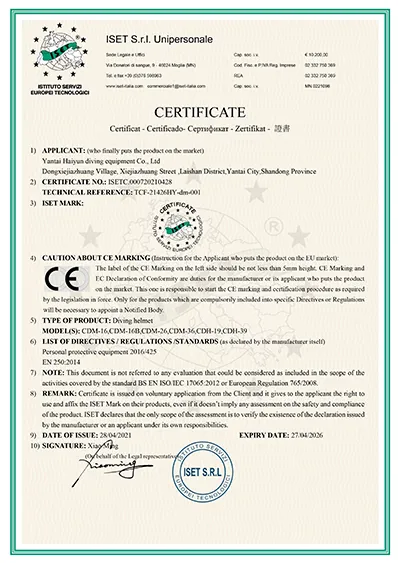
Certifications of Durable Scuba Diving Gear & Equipment

Certifications of Durable Scuba Diving Equipment
Yantai Haiyun Diving Equipment Co., Ltd.
Request Your Kind Quote.
24H Response for Commercial and Scuba Diving Equipment.
We use cookies to optimise and personalise your experience, but you can choose to opt out of non-essential cookies.
To find out more, read our Privacy Policy
Reject All
Accept All