For working divers, lost days from gear issues cost more than the equipment itself. In a fleet environment, a commercial dive hat is not just life-support hardware — it is an operational asset that must be quick to service, easy to inspect, and simple to keep mission-ready between jobs. This guide covers which maintenance-friendly design features matter most when evaluating commercial dive hats for sale, and how to build a maintenance workflow that keeps your fleet in the water.
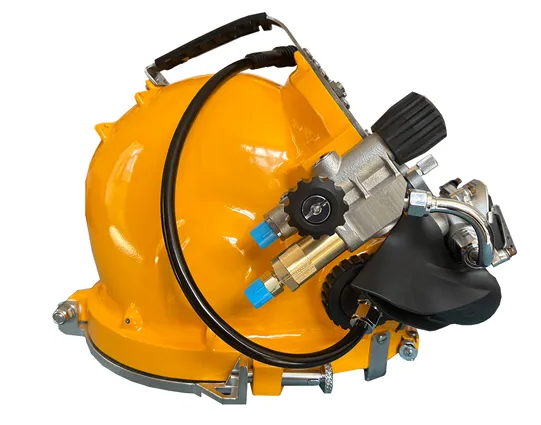
Most commercial dive hat failures that take a helmet out of service are not catastrophic — they are routine wear items that were not caught early or not stocked as spares.
| Failure Type | Root Cause | Preventable? |
|---|---|---|
| Seal and O-ring leak | Normal wear; improper storage; salt exposure | Yes — scheduled replacement |
| Faceport scratches or seal damage | Handling and storage impact | Partially — proper cases and storage |
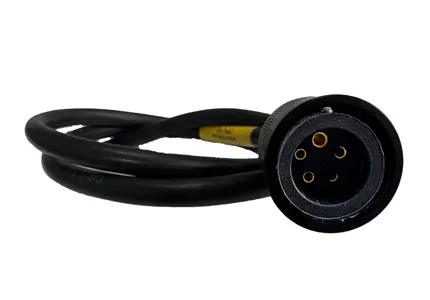
| Comms failure | Connector corrosion; cable damage; moisture ingress | Yes — post-dive rinse and inspection |
| Valve seat wear | Usage cycles and contamination | Yes — scheduled replacement |
| Harness hardware corrosion | Inadequate rinsing and drying after saltwater use | Yes — post-dive SOP |
A dive helmet out of service does not just cost the replacement part — it costs the missed dive window, the standby labor waiting for the repair, potential re-certification time if the helmet has been out of service beyond a defined interval, and in some cases a safety risk escalation if a diver uses a helmet that should have been taken offline.
Fleet operators who treat the commercial dive hat as a consumable asset rather than a capital asset build maintenance protocols that prevent most of these events.
The difference between a helmet that takes 20 minutes to service and one that takes two hours is almost entirely design — not technician skill.
| Design Feature | Maintenance Benefit | What to Ask Suppliers |
|---|---|---|
| Tool-friendly valve and regulator access | Valves can be inspected and serviced without disassembling the entire helmet | Can this be done with standard hand tools? |
| Quick-change neck dam and seals | Seal replacement takes minutes, not an hour | Are neck dam sizes standardized across models? |
| Standardized O-ring specifications | One O-ring kit covers multiple seal points | What is the full O-ring specification list? |
| Modular comms components | Mic, earphone, and connector replace as a unit | Are comms modules field-replaceable without soldering? |
| Corrosion-resistant hardware | Fasteners and fittings do not seize after saltwater exposure | What alloy grade is used for external hardware? |
| Easy-rinse geometry | No internal cavities that trap salt and promote corrosion | Are there any known salt-trap zones to watch? |
Exploded parts diagram with part numbers for every serviceable component
Recommended service intervals by component and by operating hours
List of tools required for all common service procedures
Parts availability confirmation — confirm which components are in stock versus made-to-order
A fleet running three different commercial dive hat models has three different O-ring kits, three different seal specifications, and three sets of comms components to stock. A standardized fleet running one model has one consumables inventory — lower stock cost, less risk of using the wrong part, and faster technician familiarity.
| Category | Specific Items | Recommended Stock Level |
|---|---|---|
| Seals and O-rings | Full O-ring kit per helmet model | 2 full kits per helmet in fleet |
| Valve seats and springs | Demand valve seat, exhaust valve components | 1 set per 2 helmets |
| Comms components | Replacement mic, earphone, connector assembly | 1 set per 3 helmets |
| Faceport | Replacement faceport with seal | 1 per fleet as emergency spare |
| Harness hardware | Buckles, straps, locking pins | 2 sets per fleet |
| Fasteners | Stainless machine screws and lock washers (all sizes used) | 1 full hardware bag per fleet |
Confirm parts lead time before purchase — a spare part that takes six weeks to arrive defeats the purpose of stocking spares
Request batch or serial traceability on safety-critical components (valves, seals)
Ask whether the supplier offers pre-packaged field service kits — a single part number that covers one complete service cycle reduces ordering complexity
Every helmet should go through a defined post-dive procedure before it goes back into storage. This is the step that prevents the majority of corrosion and seal failures.
| Step | Action | Notes |
|---|---|---|
| Fresh water rinse | Flush all external surfaces, valves, and comms routing with fresh water | Do not use high-pressure spray near seals or comms penetrations |
| Oral-nasal cup rinse | Remove and rinse separately | Allow to dry before reassembly |
| Valve function check | Operate demand valve and exhaust valve manually | Sticking or sluggish response warrants immediate investigation |
| Comms check | Test mic and earphone function | Intermittent signal indicates connector corrosion — address before next dive |
| Visual inspection | Check faceport, seals, harness, and all external hardware | Record any damage or wear |
| Dry and store | Store in a clean, ventilated location away from UV exposure | Do not store with neck dam under compression |
| Interval | Check |
|---|---|
| After every dive | Post-dive rinse, visual inspection, comms and valve function check |
| Weekly (active use) | Leak test at working pressure, O-ring condition inspection |
| Monthly | Full valve inspection, seal replacement if showing wear, harness hardware check |
| Annual or per manufacturer interval | Full service by qualified technician; all wear items replaced regardless of condition |
Maintain a helmet logbook by serial number — not just a general fleet log. Each entry should record: date, diver, dive profile summary, any issues noted, parts replaced, and technician sign-off. This record supports maintenance planning, warranty claims, and operational safety documentation.
When evaluating commercial dive hats for sale for fleet use, the product is only part of the decision. The support infrastructure around the product determines whether your maintenance workflow is sustainable.
| Evaluation Area | What to Confirm |
|---|---|
| Service manual | Is a detailed service manual available with every purchase? |
| Parts availability | Are all common wear items in stock, or made to order? |
| Parts lead time | How long does shipping take for your region? |
| Training | Does the supplier offer technician training or service documentation? |
| Warranty terms | What is covered, for how long, and what is the repair turnaround commitment? |
| Certification support | Can the supplier provide documentation needed for your operational compliance requirements? |
Do not purchase a full fleet without first running a pilot with one or two units:
Use the pilot helmets across a representative range of dive profiles and conditions
Time the post-dive service procedure and identify any friction points
Track parts consumption over the pilot period to validate your spares plan
Assess comms reliability across your typical communication scenarios
Confirm parts ordering lead time from a real order placed during the pilot
In commercial diving, reliability is built in the workshop — not just in the water. Choosing a commercial dive hat with maintenance-friendly access, standardized consumables, and strong documentation support can significantly reduce downtime across a fleet. When evaluating commercial dive hats for sale, treat serviceability and long-term parts support as primary selection criteria — not afterthoughts.
Q1: What parts of a commercial dive hat require the most maintenance?
Seals and O-rings are the highest-frequency replacement items, followed by valve seats, comms components (mic, earphone, and connectors), harness hardware, and the faceport seal surface. Most of these are routine consumables when stocked and replaced on schedule — they only become downtime events when maintenance is reactive rather than planned.
Q2: How can I reduce downtime when managing a fleet of diving helmets?
Standardize on one helmet model to consolidate consumables inventory. Maintain a stocked spares kit for each helmet. Implement a written post-dive SOP that every diver follows. Track service history by serial number so wear patterns are visible before failures occur.
Q3: What should I ask when comparing commercial dive hats for sale?
Ask for the exploded parts diagram and part numbers, confirm all common wear items are in stock and confirm lead times, ask about recommended service intervals, confirm whether comms components are field-replaceable, and clarify warranty coverage and repair turnaround time before purchasing.
Q4: How often should a commercial dive hat be formally inspected?
Most operations perform a quick functional check after every dive plus a more thorough inspection at weekly intervals during active use. Full service — where all wear items are replaced regardless of visible condition — is typically performed annually or at the manufacturer-recommended usage interval. Your operational procedures and applicable standards should define the specific schedule for your context.
Q5: Is it better to stock spare helmets or spare parts?
Most fleet operators do both. Spare parts handle the majority of maintenance events quickly and cost-effectively. At least one spare helmet covers the situations where a helmet needs extended repair, is sent for factory service, or fails unexpectedly on a day when a dive cannot be postponed.